



Biometric Systems and Technology
Ensure security, efficiency and compliance across your organisation with IRIS BioStore, a complete identity management and access control biometric system.
Our all-inclusive platform helps you to manage attendance, visitor control, access permissions and cashless catering across multiple sites.
Specialists in biometric software for schools and businesses for over 15 years
Whether you’re looking to improve your on-site security or implement a full cashless catering system, we’ve got the perfect biometric technology for you.
Over 120,000 organisations rely on IRIS software to power their administration. Our cloud-based biometric software can centralise your building, locker and computer security and access management.





One biometric system to manage stakeholder access and attendance
With your choice of biometric fingerprint, pin code or ID card, your school or business can streamline stakeholder access, both on-site and online, with one centralised cloud-based platform.
- Protect budgets and improve security with a centralised database
- Instant control over staff, student, and visitor access
- Manage user permissions anytime, anywhere using cloud software

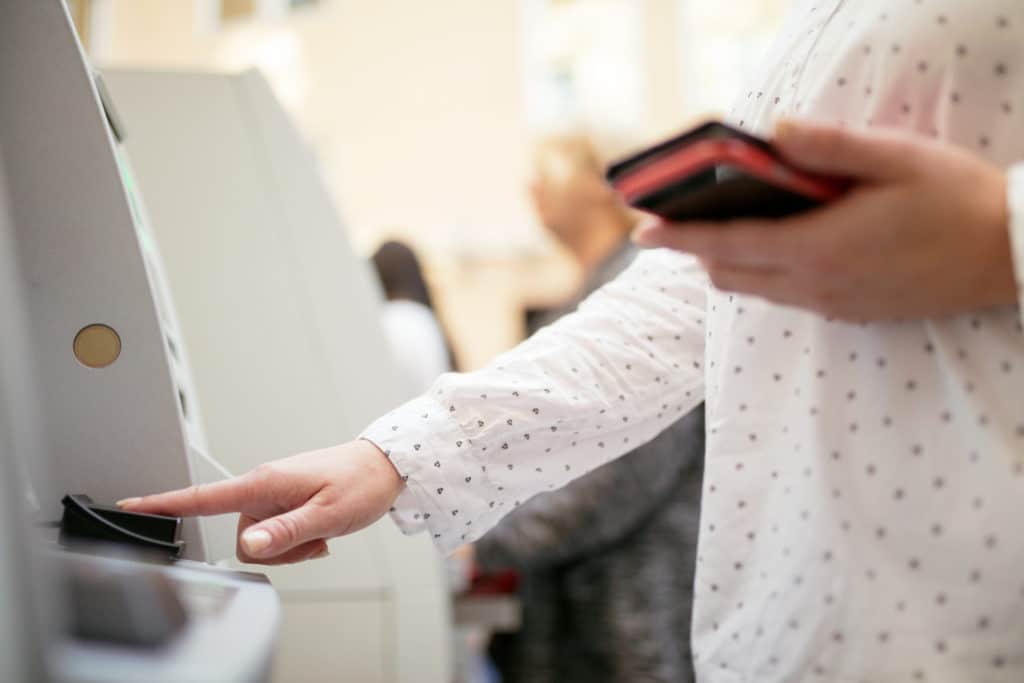
Fingerprint, pin and ID card access
Secure buildings, rooms, computers and more with your choice of access control and identity management provision including fingerprint, pin code and ID card.
- Enable and revoke user permissions instantly
- Implement flexible permissions dependent on individual requirements, including offices, classrooms and lockers
- Monitor and report on user behavior
Compliance and control
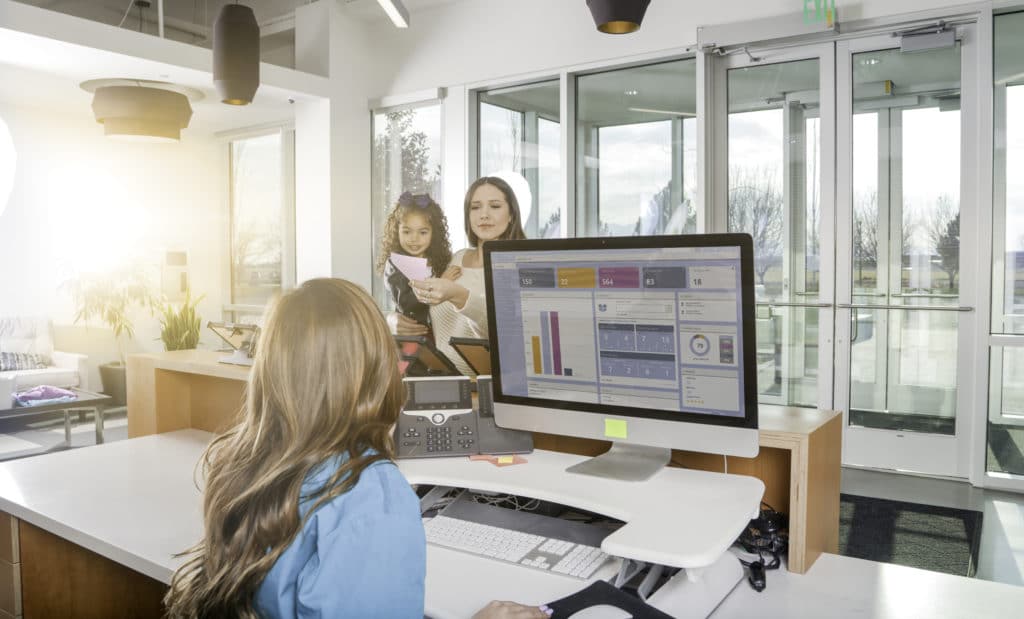
Maintain an up-to-date overview of stakeholder access, visitor movements, and staff and student attendance.
- Improve efficiency and protect budgets with users registered to one system for online and on-site access control
- The platform integrates with leading management information systems (MIS), enabling easy reporting
- Integrated password management solution improves security and removes any intervention for busy IT teams
Cashless catering
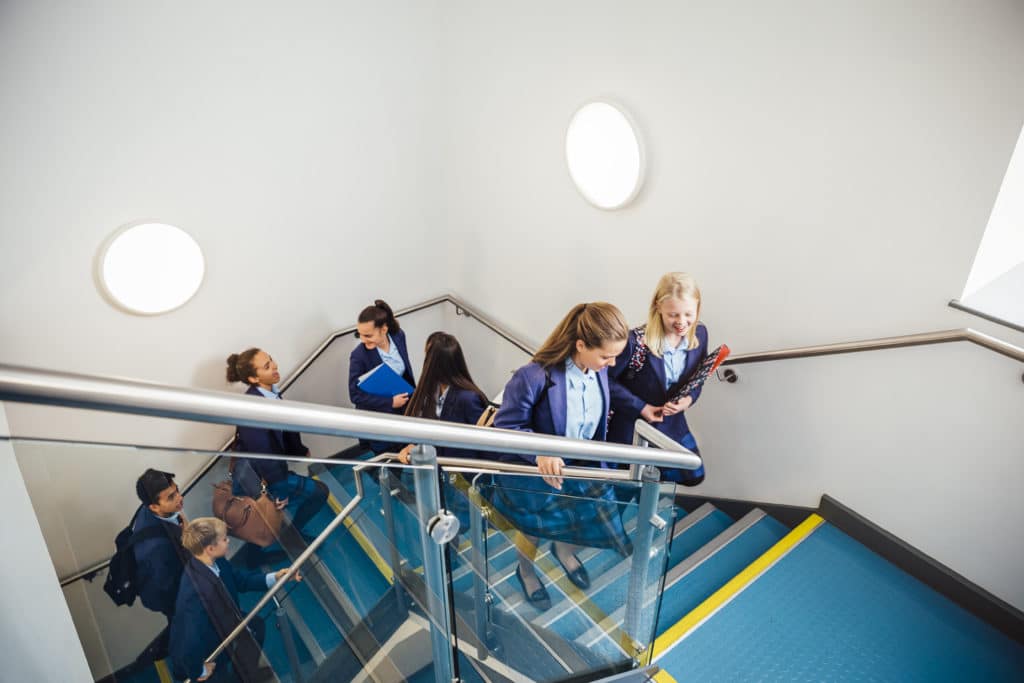
Integration with our cashless catering system, IRIS FasTrak, supports your organisation to improve hygiene and simplify finance operations with online payments.
- Eliminate cash and enable users to pay utilising your choice of fingerprint, pin code or ID card
- Integration between your cashless catering and your identity management database provides a complete overview of user attendance, payments and more
- Improve kitchen operations with advanced meal selection, stock control, supplier management and reporting
Find out more about our biometric systems and technology
Get in touch to talk with a product specialist.
Contact us
Benefits of cloud-based identity management and access control solutions

Compliance
In instances of emergency, access complete audit trails of stakeholder attendance and movements.

Security
Provisioning permissions to users, dependent on individual requirements, protects offices, schools, and platforms.

Efficiency
Save time for administrative, IT, facilities, kitchen staff and teachers with a single platform to control access, attendance, payments, and password management.

Cost effective
Protect budgets by utilising existing IT assets, and a cashless catering system to reduce waste and parent debts.



7 tech tricks for MAT finance managers to fight COVID-19
Modern technology is our greatest asset to fight back against COVID-19. For multi-academy trust finance managers, properly managed technology can mean the difference between making blind trust-wide decisions or…
Education

The next normal: A day in the life of a school business manager
The coronavirus pandemic has changed the way we all live and work – quite possibly for good. The level of transformation has been enormous – no matter what…
A different kind of virus: What you need to know about online security during lockdown
There has been a dramatic increase in cyber-attacks as a result of the COVID-19 pandemic. Private companies, government bodies, healthcare and pharmaceutical organisations across the country have been…
